
Peculiarities of the Gothic Quarter
Explore Carrer de Carabassa in Barcelona’s Gothic Quarter: local stories, quiet corners and a walk towards the Basilica de la Mercè and waterfront.
Published
Written by Boat Trip Barcelona team
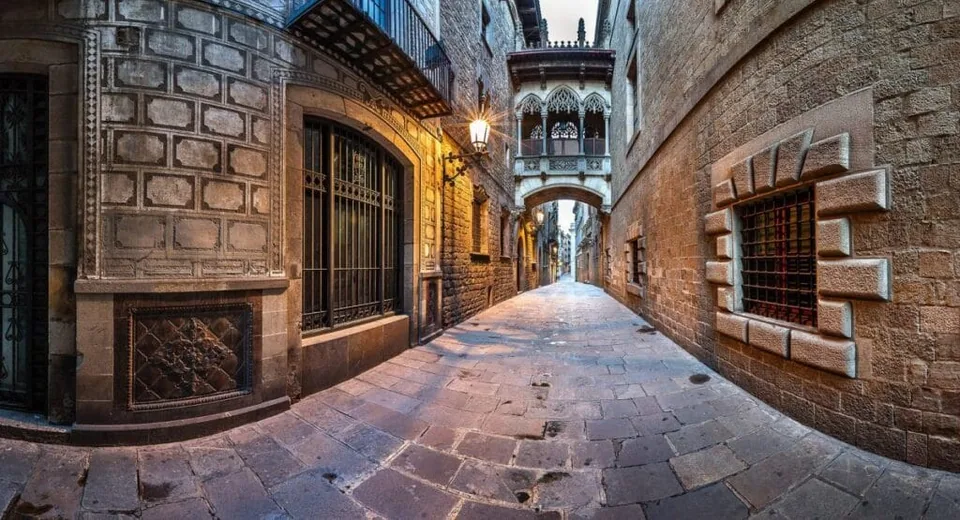
The Gothic Quarter preserves part of Barcelona’s historic heritage and is one of the city’s best-known neighbourhoods. In this blog we will present to you a street that belongs to the Quarter but has managed to remain unknown not only to tourists but for some locals as well.
This is a very tranquil lane that undoubtedly has a lot of stories to tell. We will never verify them because most of them are just myths or someone’s memoirs. The only thing we know for sure and which is left for future generations is the name of this Street – Carabassa. There are a few suppositions concerning the origin of this word, and we are going to reveal one of them without keeping you waiting any longer.
Some sources say the name comes from a brothel that had a pumpkin sign at the entrance. Pumpkin is «calabaza» in Spanish and it’s quite assonant with the name Carabassa. The Street previously connected the old city with the Port – that’s why it had always been crowded. Nowadays it doesn’t have its previous fame as one of the noisiest and most bustling of places. Conversely, it has a quiet feel with an educational vibe. There are two linguistic centres in Carabassa: whichever language you wish (Catalan or Spanish), either of them is available for you. There are a couple of bars, and one of them is pretty emblematic. It is called Perdita (The Lost) with a graffiti of Las señoritas de Avignon by Picasso on the door.
Carabassa Street connects George Orwell Square (a junction with Escudellers Street) and Ample Street. George Orwell is the pen name of an English novelist, essayist, journalist and critic. The square inherited his name after he spent some time living nearby. At the very end of Carabassa Street, on your right hand, you will find a hidden jewel for people who like mysterious and obscure spots. There is a studio of a perfumer and an artist who gives painting classes and organises perfume creation workshops. So you are welcome anytime you want to pop in. The place is called «A flor de piel» which means «highly sensitive», or even “nerves on edge».
Passing by the art studio, you will discover a wonderful view of the Basilica of Our Lady of Mercy. It is situated on Mercy Square, and there are dozens of people drinking coffee and having lunch by the church on a sunny day! The Basilica was designed by the architect Josep Mas i Dordal, and it was built between 1765 and 1775. The Square stands close to the Passeig de Colom and La Rambla, and the dome of the church is crowned with a statue of Our Lady which is seen from the seaside promenade along with Columbus Monument and Montjuïc hill.
In this blog we have tried to shine a light on just one of the endless sights and attractions of Barcelona, and we hope so much that one day you will have a walk along the peaceful and quaint street of Carabassa which has inspired us to share its story to all of our boat tour lovers!

Catamaran or Sailboat: Which One to Choose for Your Barcelona Boat Trip
Standing on the dock in Barcelona, deciding between a catamaran and a sailboat can feel harder than picking the destination itself. Both promise the same turquoise water and the same
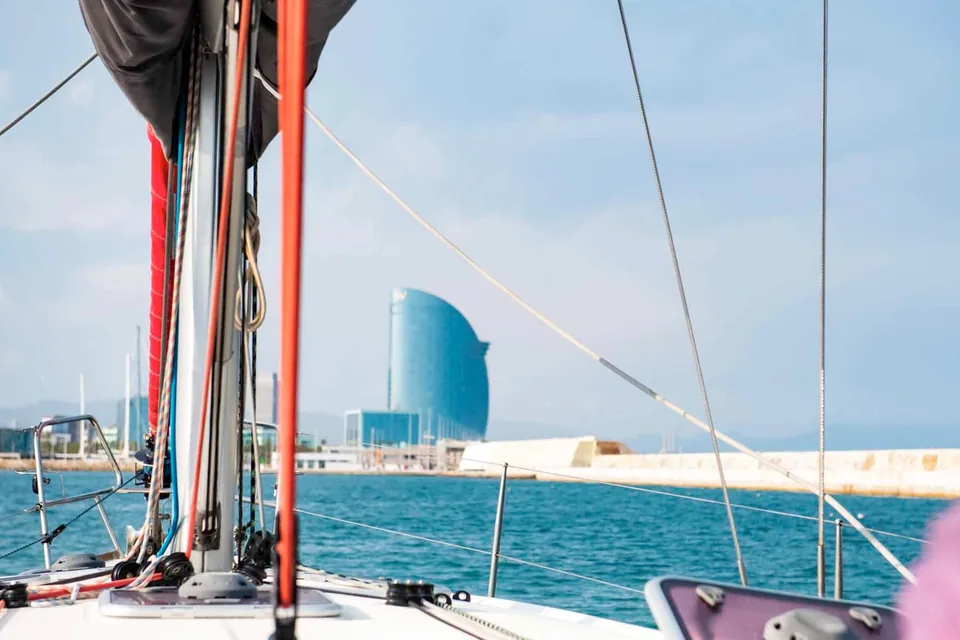
Best Time of Year to Sail in Barcelona: Weather, Sea and Crowds
Barcelona sits right on the Mediterranean, which means sailing is technically possible almost all year round. But “possible” and “ideal” are two very different things when it comes to wind,
What to bring on a boat trip in Barcelona
Knowing exactly what to bring on a boat trip in Barcelona can make the difference between a relaxed, enjoyable experience and one spent wishing you had packed differently. The Mediterranean